“Hot Spot” Filming Locations Guide | Shooting Spots and Access in the Mt. Fuji & Kawaguchiko Area
2026-08-19
If you are traveling around the Mt. Fuji and Kawaguchiko area, visiting filming locations from the Japanese TV drama “Hot Spot” is another great way to enjoy the region.
In central Fujiyoshida and around Lake Shojiko, you can visit the café and hotel exterior locations featured in the series while enjoying the same Mt. Fuji scenery seen in the drama.
The main filming locations are scattered across Yamanashi Prefecture, from central Fujiyoshida to Lake Shojiko, Tsuru City, and Otsuki City. Why not combine your Mt. Fuji sightseeing with a visit to some of the places you saw on screen?
In this guide, we introduce the main “Hot Spot” filming locations that are relatively easy to visit, dividing them into three areas: “Central Fujiyoshida,” “Lake Shojiko,” and “Tsuru & Otsuki.”
We also explain how to reach them by train and bus from Kawaguchiko Station and Mt. Fuji Station, as well as important points to keep in mind when visiting. Please note that some filming locations used in the drama are outside Yamanashi Prefecture.
We will also retrace some of the scenes from the drama using photos taken during our actual visits to the filming locations.
① Central Fujiyoshida Area
Many of the filming locations in this area are easy to explore on foot from Mt. Fuji Station, Gekkoji Station, or Shimoyoshida Station. If you are looking for a convenient starting point for your filming-location tour, this is a great place to begin.
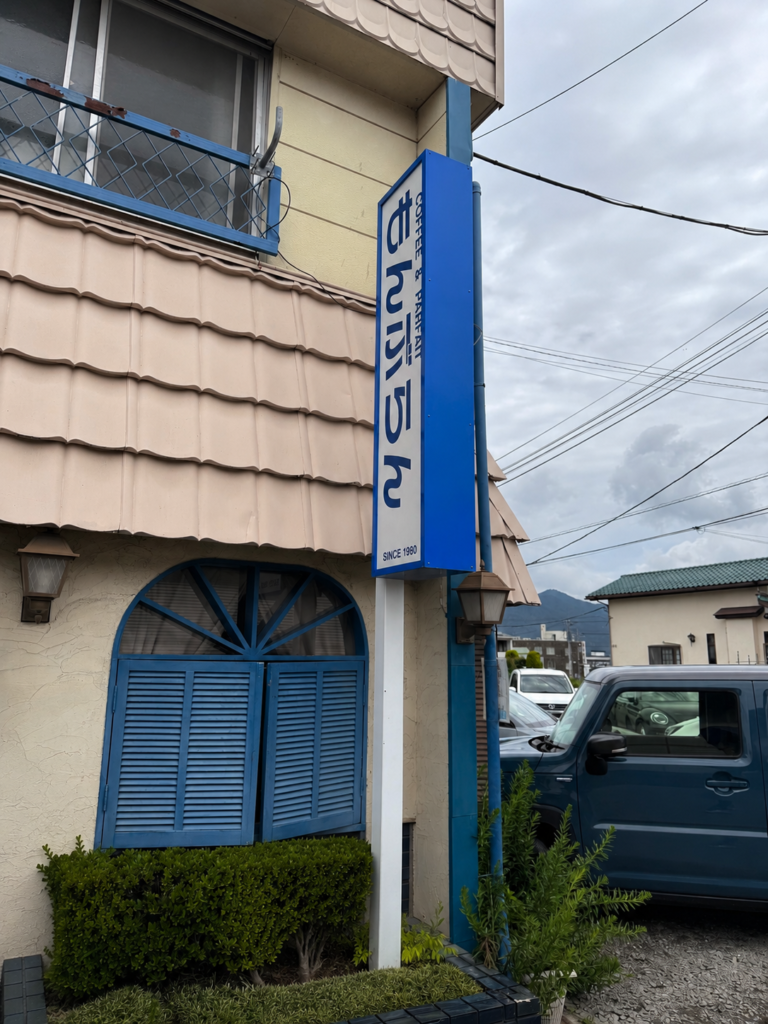
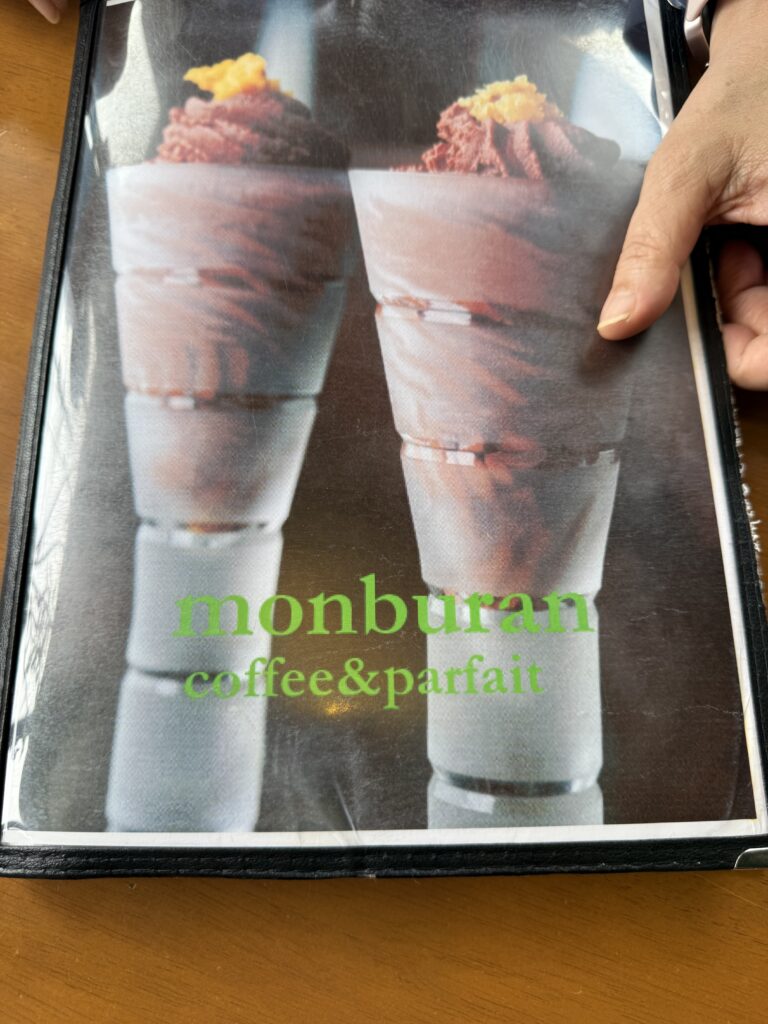
Monblan
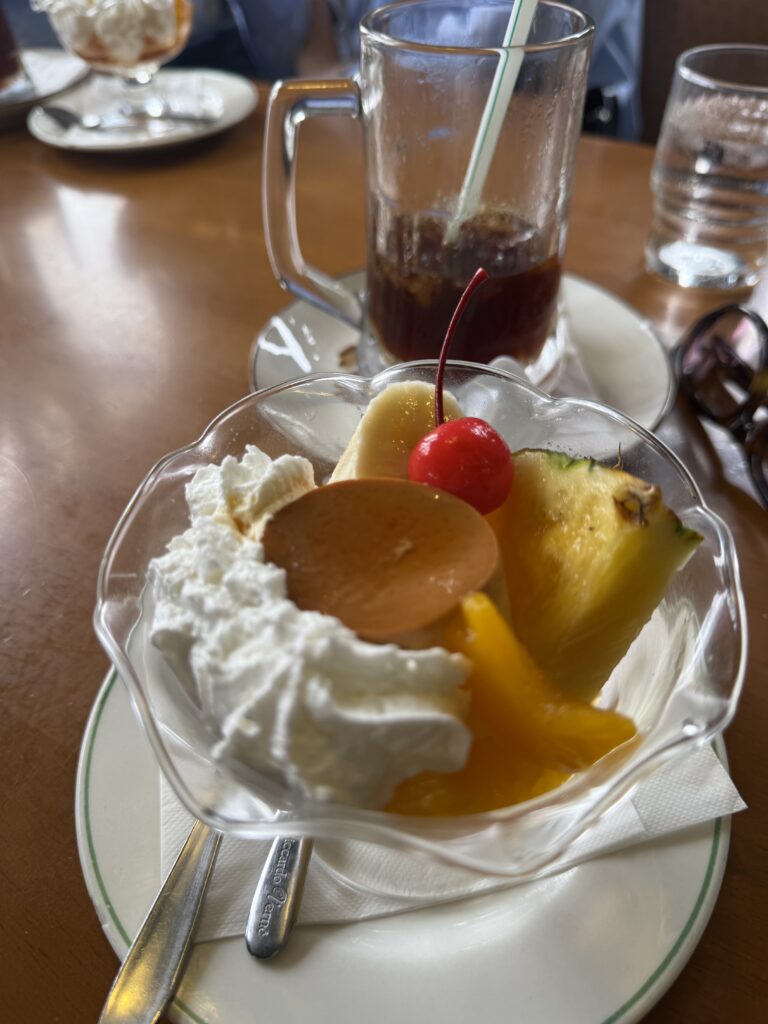
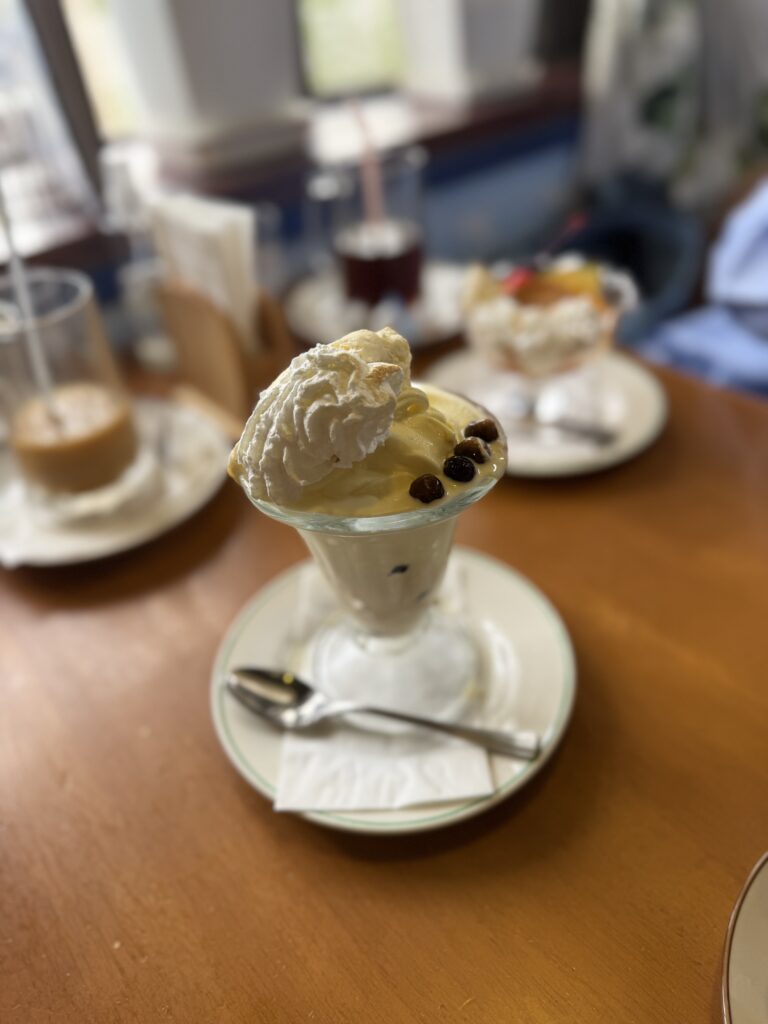
This is the café frequently visited by Kiyomi and the other characters from Episode 1 onward. Established in 1980, this long-running café is known for its huge menu of more than 250 items and generously sized parfaits. It can become crowded, especially on weekends depending on the season. If you prefer to avoid the crowds, visiting on a weekday is recommended. International visitors may also find it helpful to have a translation app ready if needed.
Fuji-michi (Honcho Street)
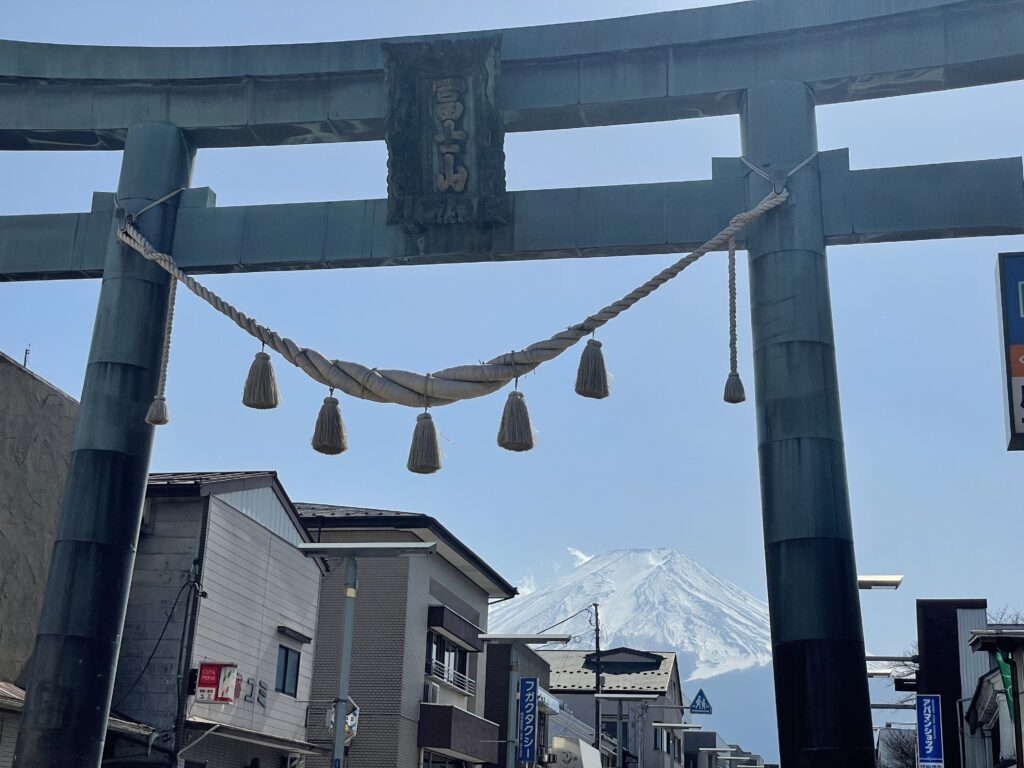
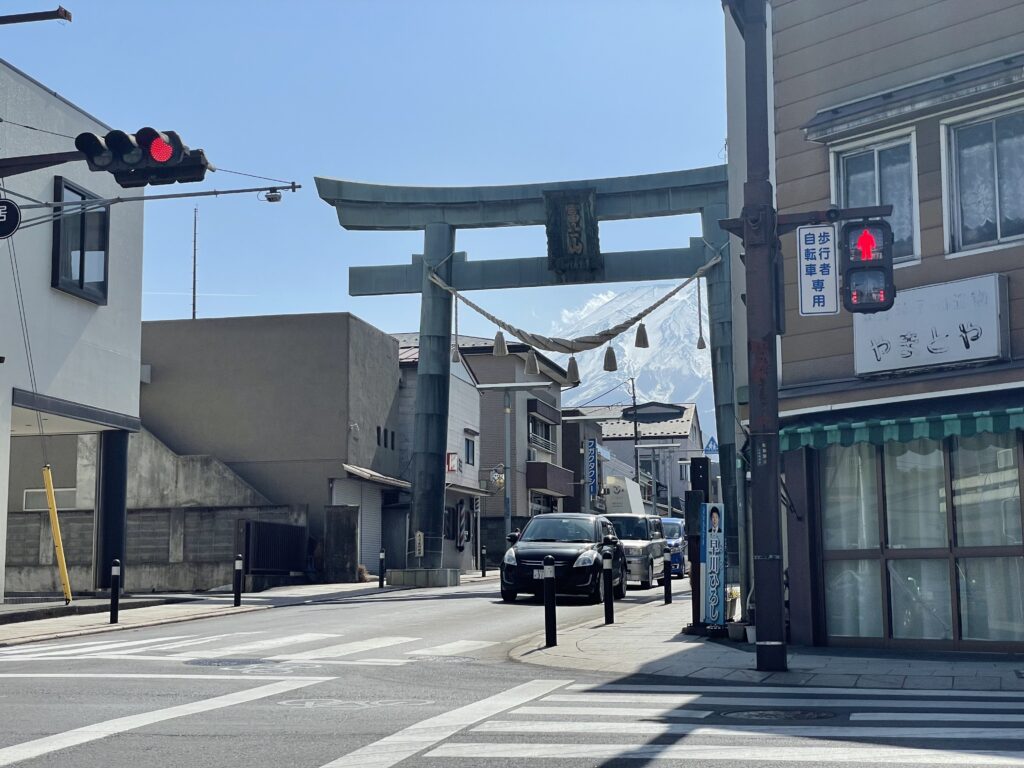
Known locally as “Fuji-michi,” this road runs straight through central Fujiyoshida toward Mt. Fuji. It became one of the most iconic landscapes in the drama, and on a clear day you can see Mt. Fuji rising dramatically at the end of the street. Even apart from the drama, this has long been a popular Mt. Fuji photo spot on social media.
⚠️ Tourists standing in the middle of the road to take photos have become a serious safety issue here. Never step into the roadway for photography. Take photos only from sidewalks or other safe locations. This is also a working shopping street and residential neighborhood, so please take care not to obstruct traffic or disturb local residents.
Kanadorii Gate & Ichikishima Shrine
Kanadorii Gate is one of Fujiyoshida’s best-known landmarks and is regarded as an entrance to the sacred area associated with Mt. Fuji worship. A short walk away, the road on the eastern side of Ichikishima Shrine was used for an important scene in which Kiyomi nearly gets into a traffic accident and is saved by Takahashi. The shrine itself is small and peaceful.
Ichiyama Mart Shiroyama Store
This supermarket appears as the store where Kiyomi goes shopping. In the drama, the sign was changed to read “Asada Store.” Ichiyama Mart is a supermarket chain primarily operating in Yamanashi Prefecture, and you may also be able to see Mt. Fuji from the parking area.
How to Get There
The highway bus from Shinjuku Expressway Bus Terminal to Kawaguchiko Station takes approximately 1 hour and 45 minutes.
Some services continue directly to Mt. Fuji Station, but routes and travel times vary depending on the bus, so check the timetable when making your reservation.
Monblan, Fuji-michi, Kanadorii Gate, and Ichikishima Shrine are all within walking distance of Mt. Fuji Station, Gekkoji Station, or Shimoyoshida Station. The most convenient station depends on the location you are visiting, so checking your walking route with a map app in advance will make the tour easier.
Ichiyama Mart Shiroyama Store is slightly outside the central area, but you can reach it directly from Mt. Fuji Station by taking the “Fujikko-go” bus to the “Ichiyama Mart” bus stop. If you are combining it with other locations, visiting the supermarket at the end of your route can be more efficient.
② Lake Shojiko Area: Filming Location for the Hotel Where the Main Characters Work
Shoji Mount Hotel
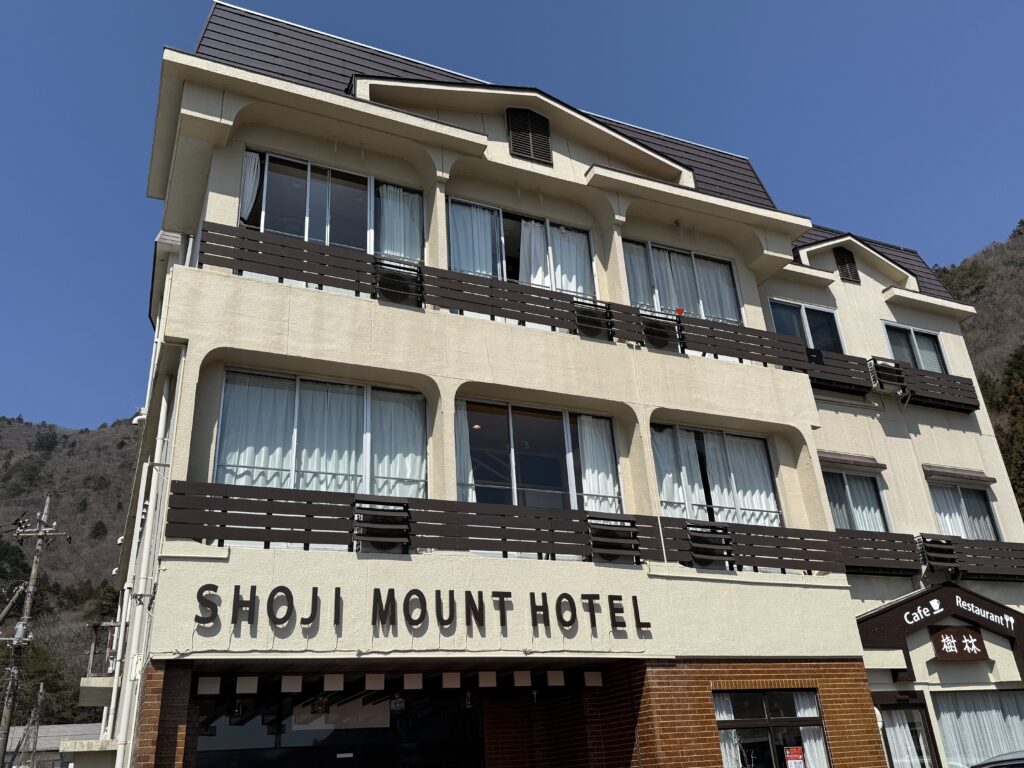
Shoji Mount Hotel, located on the shore of Lake Shojiko, was used for exterior shots of “Lake Hotel Asanoko,” one of the main settings in the drama.
Major interior scenes, including the hotel reception area, were filmed on studio sets, so the actual hotel lobby and interior are different from what appears in the drama.
Scenes in the hotel’s public bath were filmed at other locations, including Basho Tsukimachi-no-Yu in Tsuru City, which is introduced later in this article.
Drama-related displays inside Shoji Mount Hotel may change over time, so if you specifically want to see them, it is a good idea to contact the hotel in advance.
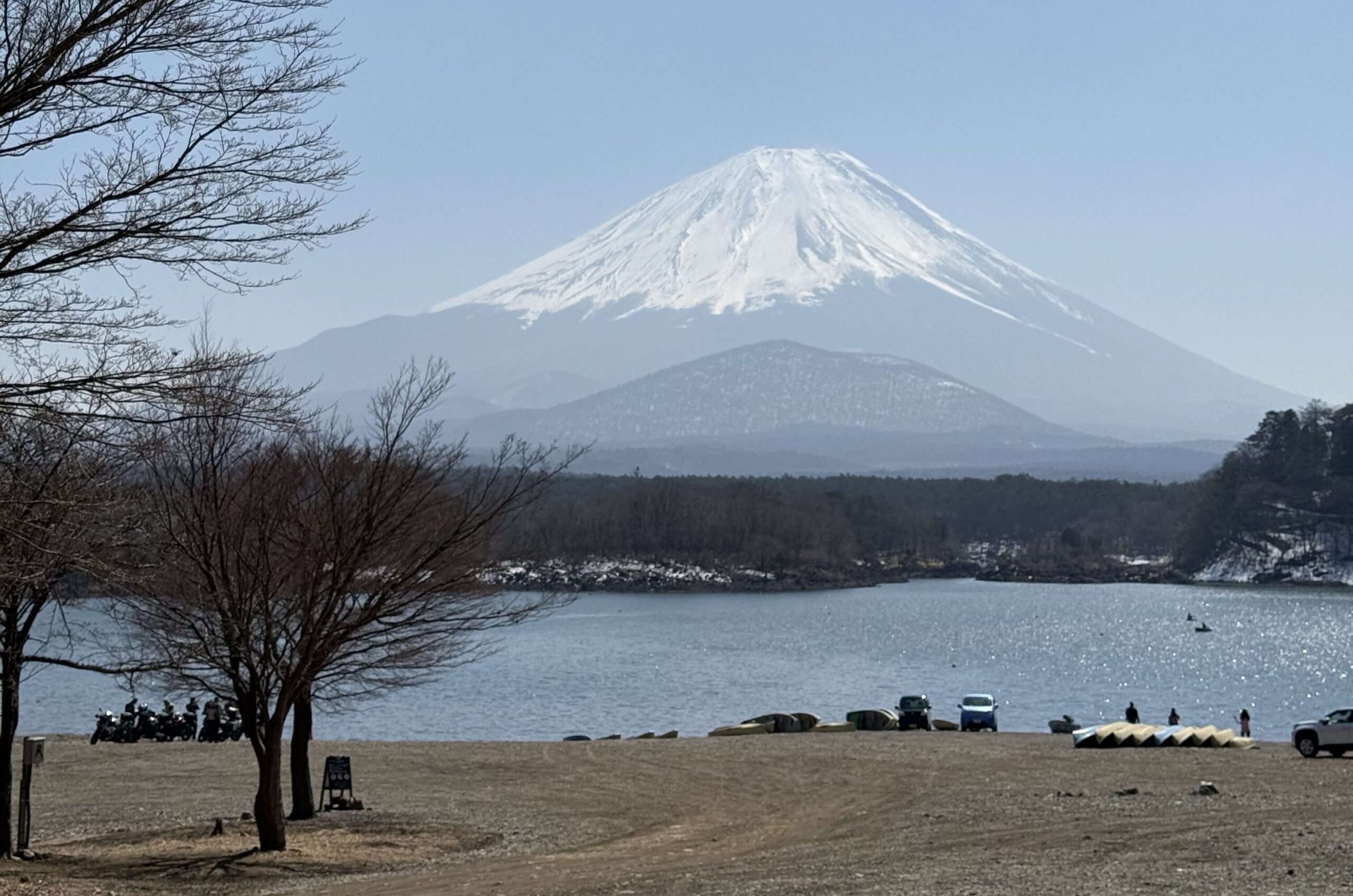
Lake Shojiko is the smallest of the Fuji Five Lakes, and its southern shore borders the Aokigahara Forest. It is also famous for the “Kodaki Fuji” view, in which Mt. Fuji appears to be embracing Mt. Omuro in the foreground.
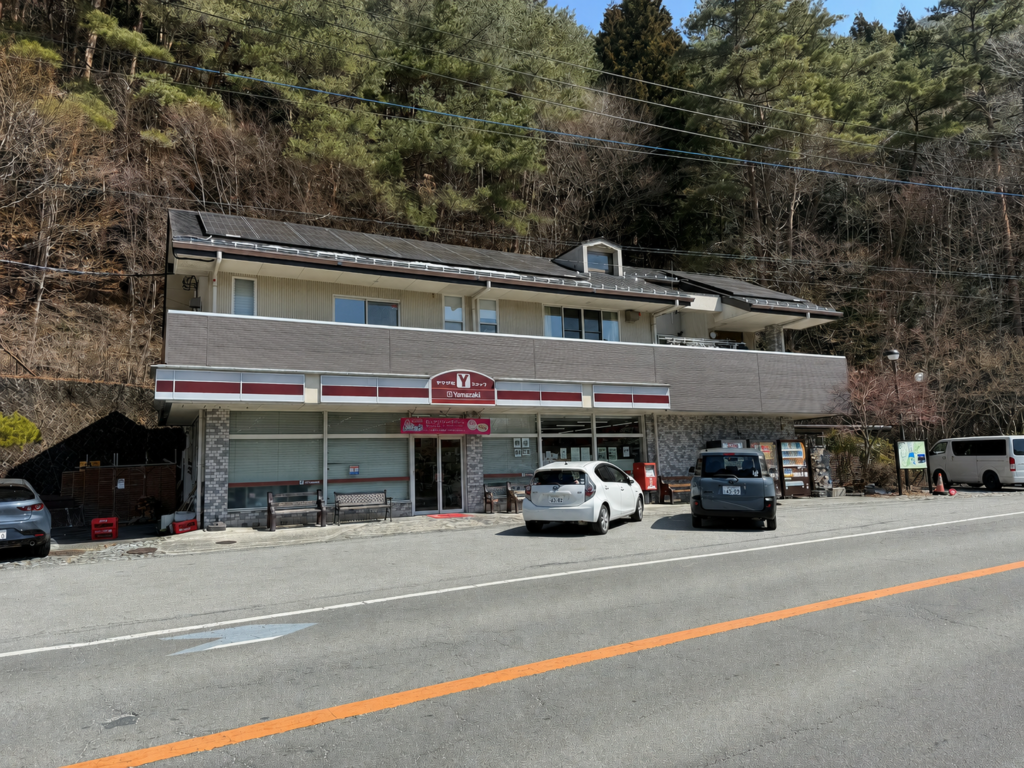
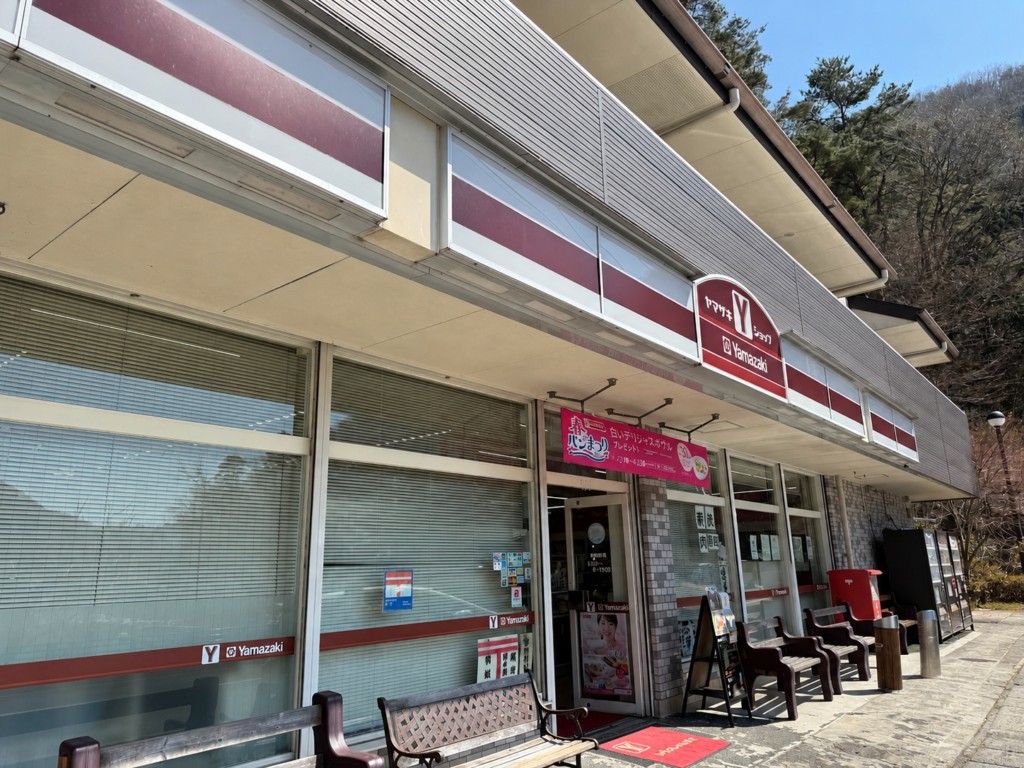
Yamazaki Y Shop Shojiko Store
This convenience store was used as a filming location and appears several times in the drama. It stands near the shore of Lake Shojiko, and you can enjoy views of the lake from across the road.
How to Get There
There are two main ways to reach the Lake Shojiko area.
① By sightseeing bus from Kawaguchiko Station: Take the Narusawa / Lake Shojiko / Lake Motosuko Sightseeing Bus (Blue Line) from the Kawaguchiko Station bus terminal.
For Shoji Mount Hotel, the closest stop is “Kodaki Fuji View Point,” approximately 45 minutes from Kawaguchiko Station.
The journey to “Shojiko Iriguchi” takes approximately 55–60 minutes. Services are limited, so checking the timetable in advance is highly recommended.
② Direct bus from Shinjuku, depending on the season and service: Some buses on highwaybus.com’s Shinjuku–Fuji Five Lakes Line travel via Kawaguchiko and continue directly to the Lake Shojiko lakeside and Shojiko Iriguchi without requiring a transfer. These are generally services continuing toward Lake Motosuko.
Operating dates and stops vary by season, so check the available services for your travel date on the reservation page.
For more details on how to reach the Lake Shojiko area and other attractions around the Fuji Five Lakes, see our Guide to Getting Around the Fuji Five Lakes.
③ Tsuru & Otsuki Area: Go a Little Further
Filming locations near stations on the Fujikyu Railway Line, such as Tanimuramachi Station, can be reached by train. However, some locations, including Basho Tsukimachi-no-Yu and the former Asahi Elementary School, are some distance from the nearest station. If you plan to visit several filming locations, check your transportation options in advance.
These locations are a little farther from the Fujiyoshida and Kawaguchiko areas but make an interesting extension to your filming-location tour.
Tanimuramachi Station (Fujikyu Railway Line)
This station was used as the fictional “Fuji Asada Station,” where Kishimoto, the director of the TV show Getsuyou kara Yofukashi (“Monday Late Show”), gets off the train.
Tanimuramachi Station is on the Fujikyu Railway Line and can be reached by train from both Kawaguchiko Station and Mt. Fuji Station. Transportation IC cards such as Suica and PASMO can be used.
However, you cannot add money to your IC card at Tanimuramachi Station, so make sure you have sufficient balance before traveling.
Basho Tsukimachi-no-Yu (Tsuru City)
This real day-use hot spring facility was used for the public bath scenes at “Lake Hotel Asanoko” in the drama.
It is still operating today, and both the local government and the facility itself promote its connection with the drama.
Displays and drama-related merchandise may change depending on the time of year, so contact the facility directly if there is something specific you would like to see or purchase.
Abandoned School & Former Chuo Main Line Railway Tunnel (Tsuru and Otsuki)
The former Asahi Elementary School in Tsuru City, which was used for the gymnasium scene where the alien Takahashi sneaks inside, is officially introduced by Tsuru City as one of the drama’s filming locations.
Meanwhile, the so-called “time tunnel,” used in an important scene involving a person from the future connecting with the past, has been identified by filming-location websites and local reports as a disused tunnel from the former Chuo Main Line in Torisawa, Tomihama, Otsuki City.
However, some sources state that parts of the same sequence involving the railway bridge and tracks were filmed in Ashio, Tochigi Prefecture. We have not been able to confirm definitive official information identifying every part of the scene. Please treat this information as a reference rather than a confirmed identification.
Both the former school and the abandoned railway tunnel may be deteriorating or located close to private property.
Please limit your visit to viewing the exterior from public roads, and do not enter the buildings or tunnels. Always follow any signs or restrictions posted at the site.
How to Get There
The Fujikyu Railway Line is the main public transportation option for reaching the Tsuru and Otsuki areas.
From Kawaguchiko Station or Mt. Fuji Station to stations such as Tanimuramachi or Tsurushi, travel time by local train is generally around 30–50 minutes, depending on the service.
For filming locations farther from railway stations, such as Basho Tsukimachi-no-Yu and the former Asahi Elementary School, Tsuru City’s reservation-based transportation services are another option.
Tsuru City reorganized its public transportation network in April 2026, suspending most local bus routes with some exceptions.
Today, in addition to several existing bus services, the city operates the “AI Tsuru-to” AI-powered shared taxi service and demand-responsive taxis.
“AI Tsuru-to” can be reserved through the “RYDE PASS” smartphone app or by telephone.
The app itself supports an English-language interface, although most of the official usage information provided by Tsuru City is in Japanese.
Demand-responsive taxis must be reserved by phone, so international visitors should check how to use the service before traveling.
Regular taxis and rental cars are also options.
When returning toward Shinjuku, you can either return to Kawaguchiko Station or Mt. Fuji Station and take a highway bus, or travel to Otsuki Station and continue to Shinjuku via the JR Chuo Line.
If your itinerary already takes you as far as Tsuru or Otsuki, returning via Otsuki Station can be particularly convenient.
Tips and Etiquette for Visiting Filming Locations
Be Considerate at Private Property and Operating Businesses
Monblan, Ichiyama Mart, Shoji Mount Hotel, and Basho Tsukimachi-no-Yu are all real businesses and facilities that are still operating today.
Please visit them as a regular customer and avoid prolonged photo shoots or behavior that may inconvenience staff or other guests.
Do Not Enter Abandoned Schools or Tunnels
Some of these structures are deteriorating or located close to private property. View them only from publicly accessible areas and always follow any posted signs or restrictions.
Visit on Weekdays to Avoid Crowds
Some locations can become crowded, particularly on weekends depending on the season. Allow extra time when planning your visit.
Carry Some Cash
Although many facilities accept credit cards or electronic payments, some smaller shops and stores may still require cash.
It is a good idea to carry a small amount of Japanese yen just in case.
International visitors may also want to have a translation app ready, as some information and communication may be available only in Japanese.
Suggested 2-Day, 1-Night Filming Location Itinerary
Day 1: Take a highway bus from Shinjuku to Mt. Fuji Station. Explore central Fujiyoshida on foot, including Fuji-michi, Kanadorii Gate, Ichikishima Shrine, and Monblan.
If you also want to visit Ichiyama Mart Shiroyama Store, combining a local bus or taxi with your walking route can make the trip more efficient.
Day 2: Travel to the Lake Shojiko area and explore the surroundings of Shoji Mount Hotel. Afterward, return toward Kawaguchiko. If you have enough time and a suitable means of transportation, continue to Basho Tsukimachi-no-Yu in Tsuru City. If you travel as far as Tsuru, you can continue by the Fujikyu Railway Line to Otsuki Station and return to Shinjuku via the JR Chuo Line. If you do not visit Tsuru, return to Shinjuku by highway bus from Kawaguchiko Station or Mt. Fuji Station.
Trying to visit every filming location in just two days can feel rushed. For a more relaxed trip, we recommend focusing on the two main areas of central Fujiyoshida and Lake Shojiko.
Frequently Asked Questions
Q. Can I actually stay at “Lake Hotel Asanoko”?
The exterior of the fictional hotel was filmed at Shoji Mount Hotel on the shore of Lake Shojiko. Since Shoji Mount Hotel is a real accommodation facility, you can stay there by making a normal hotel reservation. However, the interior scenes shown in the drama, including the reception area and public bath, were mainly filmed on studio sets or at other facilities, such as Basho Tsukimachi-no-Yu in Tsuru City. The actual interior of Shoji Mount Hotel therefore looks different from the hotel in the drama. We recommend visiting with this in mind.
Q. Can I make a reservation at Monblan?
Reservation policies may change, so we recommend contacting the café directly in advance. If you want to avoid crowds, visiting on a weekday is generally your best option.
Q. Are all the filming locations close to Kawaguchiko?
Central Fujiyoshida and the Lake Shojiko area are relatively easy to reach from Kawaguchiko Station and Mt. Fuji Station. The locations in Tsuru and Otsuki, however, are farther away and can be more difficult to visit using public transportation alone. We recommend choosing which areas to visit based on the time and transportation options available to you.
Q. Can I enjoy these places even if I have not watched the drama?
Absolutely. Fuji-michi and Lake Shojiko are popular destinations for their spectacular views of Mt. Fuji even without any connection to the drama. They are well worth visiting simply for the scenery and the experience of exploring the local area.